A note about links: If we include links to retail sites like Amazon or Bass Pro Shops, it's because they're relevant to the topic and, as anglers ourselves, we believe they're worth checking out. As an Amazon Associate we earn from qualifying purchases.
What it is
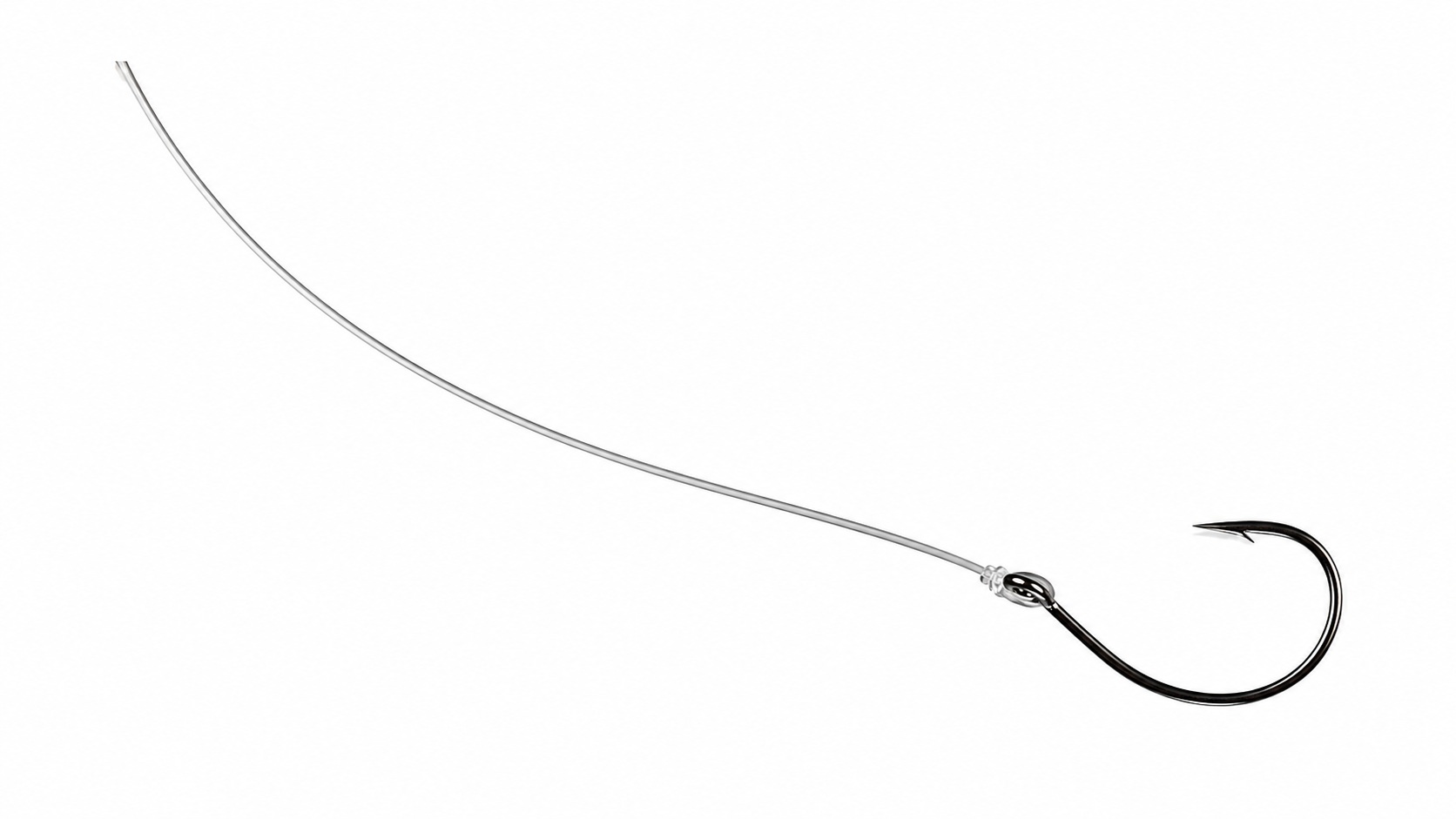
The free-line rig is exactly what the name implies: a hook tied directly to your leader with nothing else on the line. No weight, no float, no hardware. It is the most minimal presentation in fishing, and in the right conditions, it is also one of the most effective.
The logic is straightforward. Every sinker or swivel you add to a rig telegraphs resistance to a fish the moment it picks up the bait. It also forces the bait to behave unnaturally — pulling it down to the bottom, restricting its range of motion, or suspending it at a fixed depth. Remove all of that and the bait swims exactly how it would on its own: nose-first into the current, darting around structure, riding the tide at whatever depth it naturally holds. For spooky fish in clear, shallow water, that difference is everything.
This rig sees the most use in inshore and backcountry saltwater, where live shrimp, pinfish, mullet, and pilchards are the dominant baits. It also transfers cleanly to freshwater, where a free-lined shiner or nightcrawler around clear-water bass structure can outfish heavier rigs when fish are pressured.
How to rig it
The setup is minimal, but the knot and hook choice still matter.
Components:
- Hook (circle hook or live-bait J-hook depending on species)
- Fluorocarbon leader, 15–25 lb
- Main line (braid preferred for feel and casting distance)
Steps:
- Attach 18–36 inches of fluorocarbon leader to your main line with an FG knot or double uni. Longer leaders help in very clear water.
- Tie your hook to the leader end using a Palomar knot or a non-slip loop knot. The loop knot allows the hook to swing freely, which gives live bait more natural movement and is worth the extra effort when fish are selective.
- Hook live shrimp through the horn (front of the head) for the most natural presentation, or through the tail for quicker hook-ups. Hook live pinfish or mullet just in front of the dorsal fin — lightly, so the bait swims without restriction.
That is the entire rig. There is nothing else to add.
How to fish it
The cast matters more here than with weighted rigs. A hard, high-trajectory cast will injure live bait and kill it quickly. Instead, use a low, sweeping sidearm cast that lobs the bait out gently. The goal is for the bait to hit the water alive and swimming.
Cast past your target — past the dock piling, the oyster bar edge, the shadow line — and let the bait work back toward the structure on its own. In current, this often means doing nothing after the cast. The tide will carry the bait naturally into position. Follow the line with your rod tip and keep just enough tension to feel the bait moving without restricting it.
When a fish eats, resist the urge to set the hook immediately, especially with a circle hook. Let the fish turn and load the rod, then sweep the tip up firmly. With a J-hook, a quicker set is appropriate.
At night around dock lights, this technique is particularly productive for snook. A live pinfish allowed to swim through the edge of the light into the shadow where snook are holding will draw strikes that no weighted rig could produce.
When to use it
The free-line rig is a clear-water, light-pressure tool. It works best when:
- Water visibility is 2 feet or more and fish can see (and reject) an unnatural presentation
- There is enough current or wind to move the bait without added weight
- Fish are actively feeding but spooky — common in skinny backcountry water
- You are working structure with obvious ambush points: mangrove roots, oyster bar edges, dock pilings, inlet mouths
In spring and summer, when snook push into the backcountry and redfish tail on shallow flats, this is a first-choice rig. Tarpon rolling near an inlet on a moving tide respond well to a free-lined live mullet worked with the current rather than against it. In fall, spotted seatrout staging near deeper grass edges can be reached with a free-lined shrimp allowed to drift down through the water column.
It is less useful in deep water, heavy current that requires the bait to hold bottom, or when fish are not actively feeding near the surface.
Hook and leader selection
Hook size and leader weight are the main variables to adjust.
| Bait | Hook Style | Hook Size | Leader |
|---|---|---|---|
| Live shrimp (inshore) | Circle or J | 1/0 – 2/0 | 15–20 lb fluoro |
| Pinfish / grunt | Circle | 2/0 – 3/0 | 20–25 lb fluoro |
| Live mullet (tarpon/snook) | Circle | 4/0 – 6/0 | 25–40 lb fluoro |
| Shiner (bass, freshwater) | J-hook | 1 – 1/0 | 12–17 lb fluoro |
| Nightcrawler (bass, freshwater) | J-hook or worm hook | 1/0 | 10–15 lb fluoro |
Go lighter on the leader in very clear water. The bite improvement from dropping to 15 lb fluoro from 25 lb is real, particularly for snook and redfish that have seen pressure.
Gear setup
A medium or medium-light spinning rod in the 7–7’6” range is standard. The extra length helps with the gentle lob cast required to keep bait alive and gives you reach when presenting around structure without spooking fish.
Pair it with a 2500–3000 size spinning reel loaded with 10–20 lb braid. The sensitivity of braid lets you feel the bait swimming and detect subtle pickups before a fish drops the bait. The low diameter also helps with casting unweighted presentations a meaningful distance.
Drag setting matters on this rig. Because there is no weight to absorb the initial surge, fish feel immediate pressure. Set drag lighter than you might with a bottom rig — just enough to control the fish, not so tight that a first run pops the leader.
Brands worth knowing
For hooks, Owner and Gamakatsu produce the most consistent live-bait circle hooks available. The Owner SSW (Super Needle Point) and Gamakatsu Circle SP are both proven inshore options and hold sharp points through salt exposure. For freshwater live-bait fishing, a standard Gamakatsu octopus hook in 1/0 or 2/0 handles most shiner and worm applications without overcomplicating the rig.
Generic circle hooks from reputable brands work fine for most applications. The priority is sharpness out of the package — test each hook with a thumbnail before tying it on, and replace any that drag rather than bite.