A note about links: If we include links to retail sites like Amazon or Bass Pro Shops, it's because they're relevant to the topic and, as anglers ourselves, we believe they're worth checking out. As an Amazon Associate we earn from qualifying purchases.
What it is
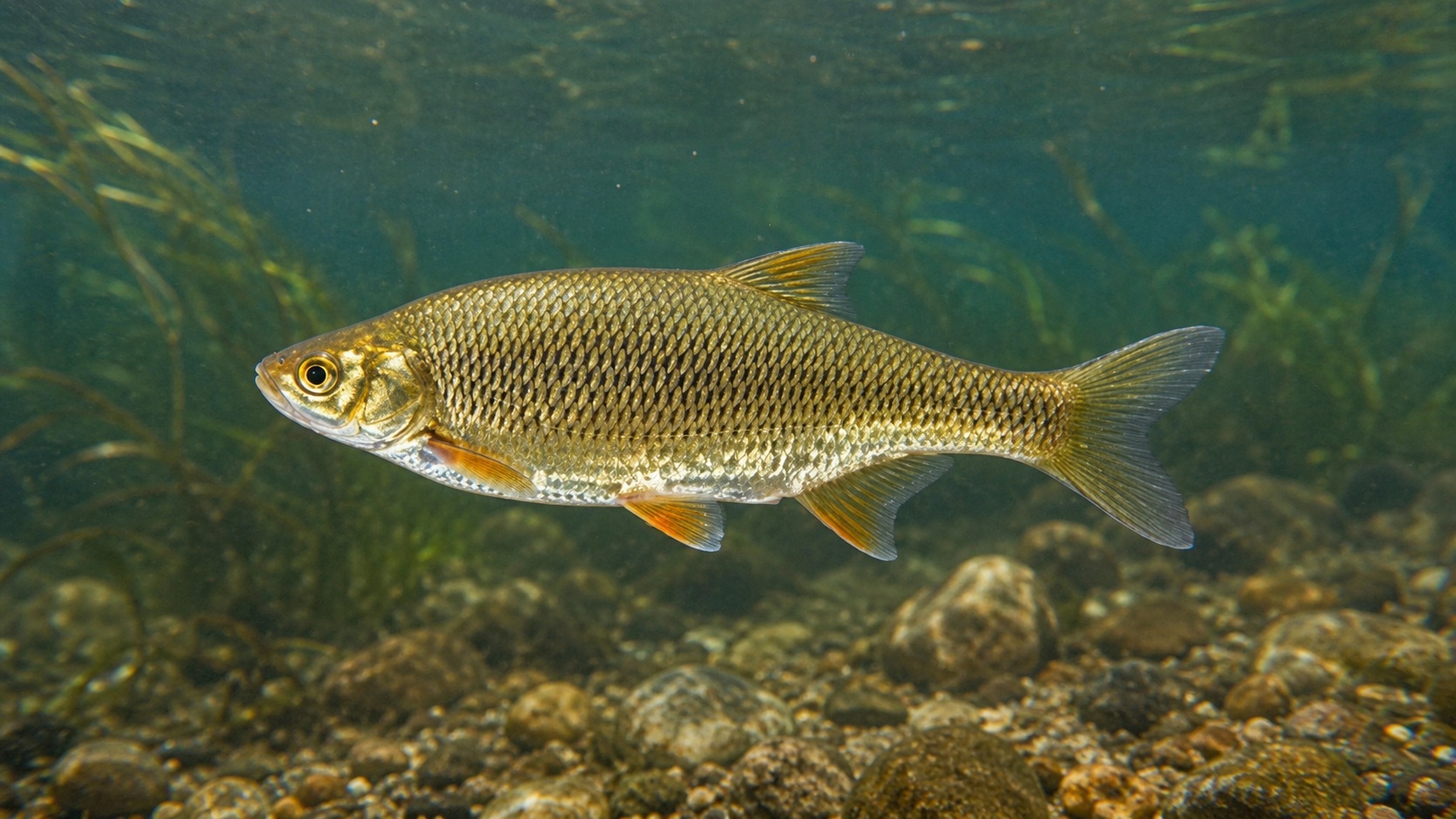
A minnow is the most honest bait in freshwater: a small, living baitfish doing exactly what predators are built to eat. “Minnow” is a loose, catch-all word at the bait shop, and three names cover almost everything you will use. Golden shiners are the big one — broad-bodied, lively, and the undisputed trophy-largemouth bait, especially in Florida. Fathead minnows are the small, hardy standard for crappie, perch, and other panfish; they stay alive on the hook a long time, which is exactly what you want. Creek chubs are a tougher, larger river minnow that bass, walleye, and pike all key on.
The appeal is simple. Artificial lures imitate a baitfish; a live minnow is one. It flashes and struggles and sends out the exact distress signals a hungry fish is listening for. For a beginner, that means you do not have to impart much action at all — the bait does the work. Your job is to keep it alive, put it where the fish are, and stay out of its way.
How to rig and fish it
There are four classic ways to fish a minnow, and you can master all of them your first season.
Under a float. This is the place to start. Set a slip bobber above a single hook so the minnow hangs at the depth fish are holding, cast it out, and watch. When the float dives, the fish has it. A lively shiner suspended under a float is one of the deadliest big-bass tactics there is — bar none — and it is also how most crappie and perch get caught. The float keeps the bait off bottom snags and signals the bite for you.
Free-lined. Pin on nothing but a hook — no weight, no float — and let the minnow swim where it wants. A big golden shiner fished this way will head straight for a floating weed mat and swim right into the lair of a bass. It is the most natural presentation possible, and on pressured water it can outfish everything else.
On a drop-shot. Hook a minnow lightly through the lips or back on a drop-shot rig and you suspend it a precise distance above the bottom while the weight holds your spot. This is a finesse killer for smallmouth bass, yellow perch, and walleye holding tight to deep structure.
Tipping a jig. Thread a small minnow onto a crappie jig or a bucktail jig — the famous “jig-and-minnow.” The jig gives you weight, color, and casting distance; the minnow adds live scent and movement. It is a staple for black crappie and the single most trusted walleye presentation in much of the country.
Whatever method you choose, set the hook with a little patience. Fish often grab a minnow, turn it, and swallow it head-first — so give a beat before you sweep the rod.
When to use it
Reach for live minnows when fish are finicky, when the water is cold, or when you simply want the surest thing in the box. In early spring and late fall, a minnow’s natural movement triggers strikes that fast-moving lures cannot, and under the ice a minnow on a jig or a deadstick is the standard.
It also shines when you are after the biggest fish in the lake. Florida guides report that the vast majority of double-digit largemouth are caught on wild golden shiners — they are bite-sized for a giant bass and carry few sharp spines for the fish to deal with. Northern pike and muskellunge eat large creek chubs and shiners readily, too. And on a tough day, when nothing artificial is working, a live minnow is the bait that saves the trip.
Forms and keeping it
Match the minnow to the target — that is the whole game. Small fatheads (1 to 2 inches) for crappie, perch, and bluegill. Medium shiners for largemouth bass and walleye. Big wild golden shiners (4 to 7 inches) for trophy largemouth and pike. Too big and small fish ignore it; too small and you tempt nothing worth catching.
Keeping them lively is most of the battle, because a fresh, kicking minnow outfishes a sluggish one every time. Carry them in an aerated minnow bucket — the aerator pumps oxygen and is what keeps them frisky through a long day. Two rules above all: keep the water cool and do not overcrowd the bucket. Warm, crowded water robs oxygen and your minnows go belly-up fast. On a hot day, drop in a small frozen water bottle (never ice straight from the cooler, which can shock them). In the boat, a large cooler with a clip-on aerator works just as well as a dedicated tank.
Hooking them right keeps them alive and swimming naturally. Through the lips, bottom-to-top, is the all-purpose method — it lets the minnow breathe and is the choice for casting, drifting, and current. Through the back, just behind the dorsal fin and clear of the spine, lets the minnow swim away from you toward cover, perfect for free-lining a shiner into a weed mat. Either way, use a thin-wire hook and do not bury the point too deep — a small wound keeps the bait frisky far longer.
Gear and sourcing
A minnow rig is light and simple, which is part of the charm.
- Aberdeen hooks in #4 to 1/0 are the standard live-minnow hook. The thin wire hooks the bait without killing it and bends free if you snag.
- Aerated minnow bucket — the single most important purchase. The aeration is what keeps your bait alive and lively all day.
- Portable bait aerator if you want to run minnows in a cooler or a larger tank instead of the bucket.
- Slip bobbers for fishing minnows at a set depth — the bread-and-butter float for this bait.
- Minnow trap — chum it with bread or crackers and catch your own creek chubs and shiners for free.
A quick note: always source live minnows locally and never move them between waters. Bait dumped into a new lake can spread disease and invasive species, so use what you buy where you buy it.